Five treatments, and what each one is actually for
Read the one you came for, then read what it will not do. Every section below ends with who the treatment is wrong for, because that is the part a menu leaves out.
- Laser hair removal
Light aimed at the pigment in the follicle, over a course, until it stops growing.
Session15–60 min, by areaCourseUsually 6–8 sessions, 4–6 weeks apartPriceAt consultation - Microneedling
Controlled injury at a set depth, so the skin rebuilds its own collagen.
Session60–75 min, including numbingCourseUsually 3–6 sessions, 4 weeks apartPriceAt consultation - Electrolysis
One follicle at a time, with a current. The only method that is permanent.
Session15–45 minCourseA series over months (the follicle decides how many)PriceAt consultation - Dermaplaning
A sterile blade takes off dead surface skin and the fine hair with it.
Session30–45 minCourseStandalone, or every 4 weeks to keep itPriceAt consultation - Chemical peels
An acid at a chosen strength, to take the top off pigment, congestion or dullness.
Session30–45 minCourseUsually 3–6 sessions, 2–4 weeks apartPriceAt consultation
Times and courses shown here are the usual shape of each treatment. Yours, including what it will cost, is set at consultation, after a patch test where one is needed.
Laser hair removal
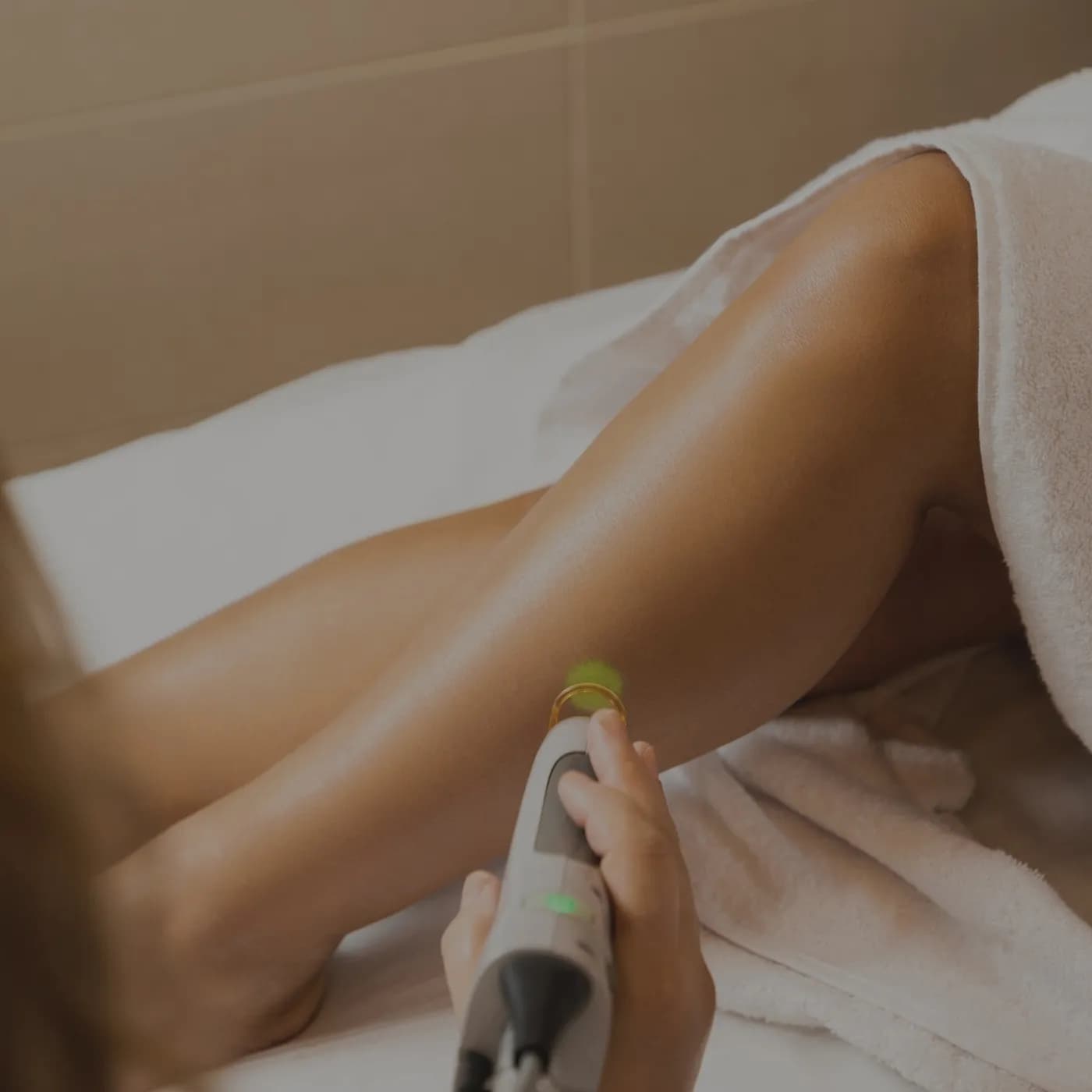
A pulse of light is absorbed by the pigment in the hair and turns to heat, which damages the follicle that grew it. Only a follicle in its growth phase can be treated, and at any moment most of them are not, which is the whole reason this is a course rather than an appointment.
Sessions get quicker as the course goes on, because there is less to treat each time. Most people describe it as a hot flick rather than pain, and the area is cooled through the session.
Reduces regrowth rather than removing hair for a fortnight
Treats a large area (legs, underarms, back) in one sitting
Leaves no stubble line and no ingrown hairs between sessions
Needs a patch test first, and works on pigment, so grey, red and very fair hair respond poorly. Not while pregnant, and not on skin with a fresh tan.
Microneedling
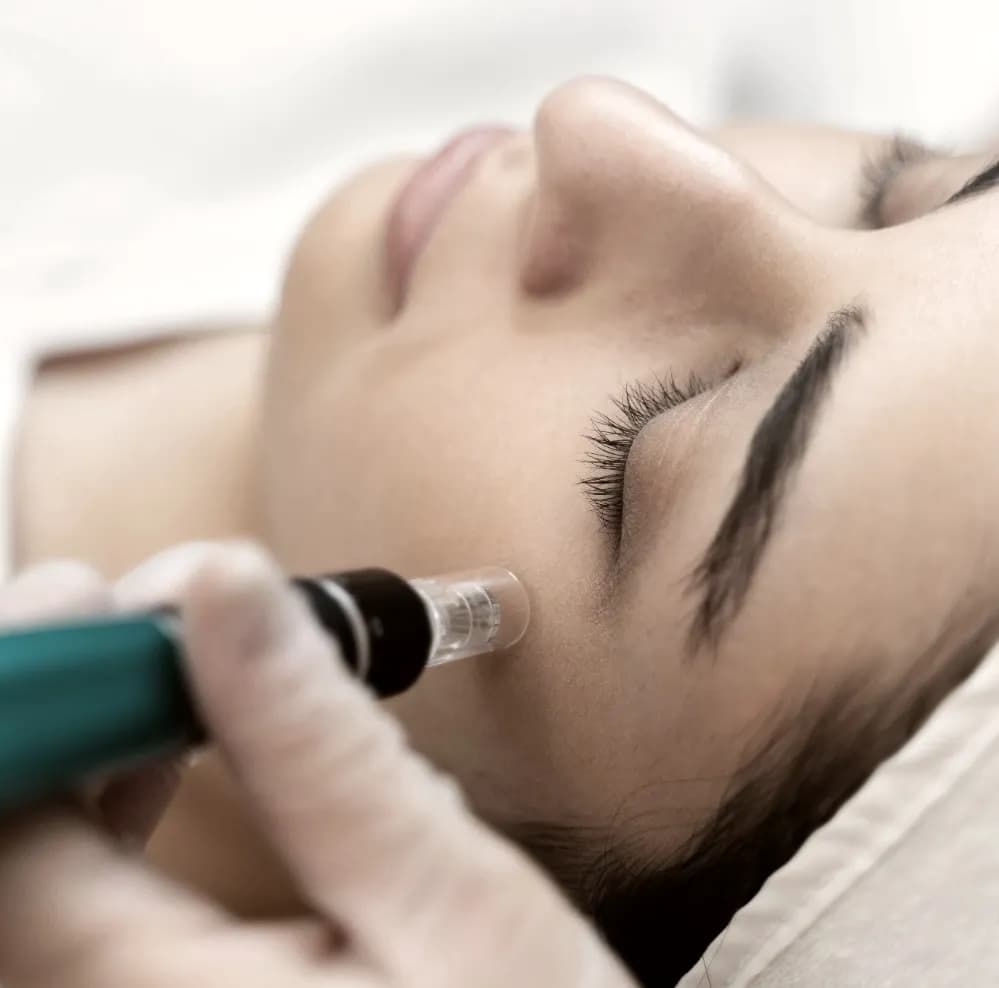
A pen of very fine needles makes thousands of channels a fraction of a millimetre deep. None of them does any harm on its own; together they are enough for the skin to read as damage and answer with collagen and elastin. What you see three months later is what your own skin built.
The face is numbed for half an hour first. Afterwards it looks and feels like mild sunburn for a day or two, and that is the treatment working rather than a side effect of it.
Softens fine lines, texture and the shallow scarring acne leaves
Builds over months rather than plumping for a fortnight
Works on the neck, chest and backs of the hands, not only the face
Not over active acne, eczema or a cold sore, and not while on oral acne medication. Sunscreen every day afterwards is not optional.
Electrolysis
A probe the width of the hair goes into the follicle and a small current destroys the cells that grow it. It is slow, because it is one hair at a time, and it is the only hair removal the medical literature calls permanent.
It is what to ask for where laser cannot go: grey and blond hair it cannot see, single stubborn hairs on the face, and the finishing work at the end of a laser course.
Permanent, and works regardless of hair colour
Precise enough for a brow line or a few hairs on the chin
Suits skin that laser is not appropriate for
Small areas only. The treated area is pink for a few hours, and picking at it is the one way to leave a mark.
Dermaplaning
A surgical blade is drawn across taut skin at an angle, removing the dead outermost layer and the vellus hair sitting in it. There is no downtime and nothing to recover from. It is the treatment to book the week of an event.
It also gives everything applied afterwards a clear run at the skin, which is why it is often the first half of a facial rather than the whole of one.
Immediate: makeup sits flat and the skin catches the light
No downtime, no redness, nothing to plan around
Lets serums and peels reach skin instead of dead cells
Not over active acne or inflamed skin. The old story about hair growing back thicker is not true: vellus hair returns exactly as it was.
Chemical peels
A peel is an acid held on the skin for a measured time, loosening the bonds between dead cells so they lift and the layer underneath comes up. Strength is the whole decision: a superficial peel is a lunch hour, a deeper one is a week of looking like you have caught the sun.
Which acid depends on what is being treated: congestion, pigmentation, texture and dullness each answer to a different one, and the choice is made after looking at your skin rather than from a menu.
Evens pigmentation and post-acne marks over a course
Clears congestion without the scrubbing that causes it
Strength dialled to your skin and your week, not a fixed grade
Sun exposure straight afterwards undoes it and can leave pigmentation worse than it started. Not while pregnant, and not on broken skin.
Then that is the consultation
Two of these treat the same thing by different routes, and the right one depends on your skin rather than on which page you read first. Bring the problem; the plan is our side of it.